
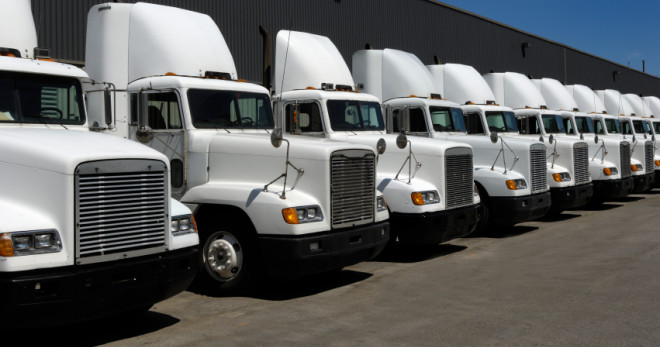
Fleet Insurance in Cleveland, Ohio: The Complete 2026 Guide for Local Trucking Companies
If you run more than one truck out of Cleveland, Ohio, fleet insurance is probably the single most important decision you’ll make for your business this year. Between the freight traffic moving through the Port of Cleveland, the daily grind on I-90, I-77, and I-480, and the unpredictable Lake Erie weather that hits Northeast Ohio every winter, Cleveland trucking companies face a unique set of risks that a generic, one-size-fits-all policy simply cannot address. That’s why so many owner-operators and multi-truck companies across Cuyahoga County turn to a local agency that understands both the insurance side and the trucking side of the business.
At Cleveland Commercial Truck Insurance, we’ve spent years helping local companies build fleet insurance programs that fit how they actually operate — not a generic template pulled from a national call center. In this guide, we’ll walk through what fleet insurance covers, how much it tends to cost, why Cleveland’s roads and climate matter to your rates, and how to choose the right agency to protect your equipment, your drivers, and your bottom line.
What Is Fleet Insurance?
Fleet insurance is a commercial policy — or, more often, a coordinated package of policies — that covers multiple commercial vehicles under a single account instead of insuring each truck one at a time. If your company owns two trucks or two hundred, this approach lets you manage coverage, premiums, and claims from one central place rather than juggling a stack of separate policies with different renewal dates, different carriers, and different paperwork.
For a trucking company operating in and around Cleveland, this kind of coverage typically bundles together several policy types, including:
- Commercial auto liability
- Physical damage coverage (comprehensive and collision)
- Motor truck cargo coverage
- General liability
- Non-trucking liability
- Trailer interchange protection
- Workers’ compensation, where applicable
- DOT and federal filings such as BOC-3 and MCS-90
The reason Cleveland companies need a tailored approach rather than a national cookie-cutter plan comes down to geography and traffic patterns. Cleveland sits at the intersection of three major interstates — I-90, I-71, and I-77 — plus the outer belt of I-480 and I-271, which means local fleets are constantly navigating merging traffic, tight urban corridors downtown, and heavy truck volume near the Port of Cleveland and the rail yards on the city’s east and west sides. An underwriter who doesn’t understand this traffic density can easily misprice a policy, either overcharging a safe company or leaving gaps that surface only after a claim happens.
Why Fleet Insurance Matters More in Northeast Ohio
Northeast Ohio’s weather is one of the biggest hidden factors driving fleet insurance decisions for local companies. Lake-effect snow can dump a foot of powder on I-90 near the lakeshore in a matter of hours, while black ice on the Shoreway or the Innerbelt Bridge is a well-known hazard every trucker in the region has dealt with at some point. A coverage program that doesn’t account for winter weather exposure is a program that’s going to leave a Cleveland company underinsured the very first time a truck slides off the road during a January storm.
Beyond weather, Cleveland’s mix of industries adds another layer of complexity. The city and its suburbs support manufacturing plants, steel processing, construction, waste management, food distribution, and healthcare logistics — all of which rely on trucking companies with very different equipment and very different risk profiles. A dump truck company hauling aggregate to a construction site in Parma has a different loss history than a box truck operation making last-mile deliveries in Ohio City, and both differ again from a flatbed company moving steel coils out of the industrial corridor along the Cuyahoga River. Good coverage recognizes these differences and prices coverage accordingly instead of treating every truck the same way.
What Does Fleet Insurance Actually Cover?
Every trucking company’s needs are a little different, but most comprehensive fleet insurance programs in Cleveland are built around the following core coverages.
Commercial Auto Liability
This is the foundation of any multi-vehicle policy. It covers bodily injury and property damage that your trucks cause to other people on the road. Ohio requires minimum liability limits for commercial vehicles, and the Federal Motor Carrier Safety Administration sets even higher minimums for trucks operating in interstate commerce, especially those hauling hazardous materials. Programs built for a multi-truck operation typically carry higher limits than a single-truck policy because the exposure — and the potential severity of a claim — is greater.
Physical Damage Coverage
Physical damage coverage protects your own trucks and trailers from collision, fire, theft, vandalism, and weather-related losses. Given how often Cleveland companies deal with snow, ice, and sudden temperature swings that can crack windshields or damage suspension systems, this piece of the policy is far from optional for most local operators.
Motor Truck Cargo Coverage
If your trucks move freight for hire, cargo coverage is a required component of most commercial packages. It protects the freight itself in case of an accident, theft, or spoilage. Different cargo types — refrigerated goods, steel, fuel, construction debris — carry different underwriting considerations, which is exactly why a well-structured quote should reflect what your trucks are actually hauling, not a generic average.
General Liability and Non-Trucking Liability
General liability protects your business from claims unrelated to the actual operation of the truck, such as an injury at your terminal or yard. Non-trucking liability, sometimes bundled into a coverage package for owner-operators leased to a motor carrier, covers the truck when it’s being used for personal purposes rather than dispatched loads.
Workers’ Compensation
If your Cleveland trucking company has employees — drivers, dispatchers, warehouse staff — Ohio law generally requires workers’ compensation coverage. It’s frequently packaged alongside a multi-vehicle policy so a company can manage all of its risk exposure from one relationship instead of coordinating between separate carriers.
How Fleet Size Changes Your Strategy
One of the most common questions we get from Cleveland business owners is how many trucks it takes before a consolidated policy makes more sense than insuring each vehicle separately. The honest answer is that fleet insurance can make sense with as few as two or three vehicles, because even small companies benefit from consolidated billing, a single renewal date, and a single point of contact when a claim happens.
As a company grows past five, ten, or twenty units, this kind of program becomes even more valuable because carriers can begin to evaluate the whole operation rather than vehicle by vehicle. A strong safety record across the group can lower rates for every truck, while a single high-risk vehicle doesn’t necessarily drag down the entire account the way it might if each truck were insured on its own. Larger Cleveland operations — say, twenty-five trucks or more — often qualify for experience-rated programs, where premiums are adjusted based on the company’s own loss history rather than industry averages alone.
Common Types of Trucks Covered Under Cleveland Fleet Insurance Programs
Cleveland’s trucking economy is diverse, and any solid coverage program needs to flex to match it. Some of the vehicle types we most often help cover for local companies include:
Box trucks used for local and regional deliveries throughout Cuyahoga County, often requiring a combination of liability, physical damage, and cargo coverage under one policy.
Dump trucks serving construction projects across Greater Cleveland, where coverage needs to account for frequent loading and unloading, jobsite injuries, and rollover risk.
Flatbed trucks hauling steel, lumber, and machinery, where load securement and weather exposure are major underwriting factors in any commercial quote.
Tractor-trailers running long-haul and regional freight in and out of the city, typically requiring higher liability limits and trailer interchange coverage.
Fuel haulers transporting petroleum products, which require specialized coverage with environmental and pollution liability built in.
Garbage and waste collection trucks operating dense urban routes, where a policy has to reflect frequent stops, heavy loads, and pedestrian exposure.
Tow trucks providing roadside assistance across the metro area, where coverage often includes on-hook towing and garagekeepers protection.
Cargo vans used for courier and last-mile delivery work, an increasingly common addition to fleet insurance portfolios as e-commerce delivery volume grows in Northeast Ohio.
No matter which category your trucks fall into, the underlying principle behind good coverage is the same: coverage should be built around what your vehicles actually do, where they actually drive, and what they actually haul.
What Drives the Cost of Fleet Insurance in Cleveland?
Fleet insurance premiums in Cleveland are shaped by a combination of national trucking insurance trends and local factors specific to Northeast Ohio. Some of the biggest cost drivers include:
Driving record and safety scores. Carriers look closely at CSA scores, driver MVRs, and accident history when pricing a multi-vehicle account. A company with a clean safety record almost always sees better rates than one with recent violations or at-fault accidents.
Radius of operation. A fleet running short local routes around Cleveland typically carries different risk than one running long-haul interstate lanes, and pricing reflects that difference.
Cargo type and value. High-value or hazardous cargo increases exposure and generally raises premiums compared to lower-risk freight.
Fleet size and vehicle age. Older trucks may cost less to insure for liability but more for physical damage claims, so underwriters weigh the average age and condition of the entire group.
Claims history. Past claims — both frequency and severity — heavily influence future premiums, which is why proactive safety programs pay off over time.
Garaging location. Where trucks are parked overnight matters. A company garaged in a higher-theft area of Cleveland may see slightly different pricing than one garaged in a lower-risk suburb.
Because these factors interact in complicated ways, the only reliable way to know what your company will actually pay for fleet insurance is to get a real quote from an agency that shops your risk across multiple carriers rather than presenting a single take-it-or-leave-it number.
Why Work With a Local Cleveland Agency for Fleet Insurance
There’s a real advantage to working with an agency that’s physically rooted in Cleveland rather than a national call center that’s never seen the Innerbelt at rush hour. A local team understands which highways see the heaviest truck traffic, how Ohio’s winter weather patterns affect claims, and which underwriters are the best fit for specific truck types common in this market. That local knowledge translates directly into smarter, more competitively priced fleet insurance recommendations.
At Cleveland Commercial Truck Insurance, our approach starts with understanding your business first and the paperwork second. We work with multiple major insurance carriers, which means we can shop your coverage needs across the market instead of pushing a single company’s product regardless of fit. Some of the advantages our clients count on include:
- Multiple carriers. We compare options across the major national and regional carriers so you’re not locked into one company’s pricing or appetite for risk.
- Industry expertise. Our team understands the coverage differences between box trucks, dump trucks, flatbeds, tow trucks, fuel haulers, and more, so your program actually matches your operation.
- Instant Certificates of Insurance. We can set you up with a login to generate your own COI instantly, which matters when a broker or shipper needs proof of coverage on short notice.
- 24/7 availability. Trucking doesn’t stop at 5 p.m., and neither do we. If something happens on the road, you can reach our team around the clock.
- Compliance support. From BOC-3 filings to MCS-90 endorsements, we help make sure your program keeps you compliant with both Ohio and federal regulations.
Steps to Building a Strong Fleet Insurance Program
If you’re putting together — or restructuring — a fleet insurance program for your Cleveland trucking company, here’s a practical roadmap to follow.
1. Inventory your equipment. List every truck, trailer, and vehicle in your operation, along with make, model, year, and current use. This becomes the foundation of your application.
2. Document your safety practices. Driver training programs, dash cams, GPS monitoring, and maintenance schedules all help demonstrate lower risk, which can translate into better pricing.
3. Gather your loss history. Three to five years of claims history helps carriers evaluate your risk accurately, and a clean or improving record can be leveraged for better terms.
4. Define your operating radius and cargo types. Be specific about where your trucks run and what they carry. Vague answers lead to vague — and often more expensive — quotes.
5. Compare multiple carriers. Don’t settle for the first quote you receive. An independent agency that works with several carriers can put your risk in front of the underwriters most likely to offer competitive terms.
6. Review coverage annually. As your fleet grows or changes, your program should grow with it. An annual review helps catch gaps before they become expensive surprises.
Common Mistakes Cleveland Trucking Companies Should Avoid
Even experienced trucking companies sometimes make avoidable mistakes when it comes to coverage. Watch out for these common pitfalls:
- Underestimating cargo value. Insuring cargo below its real value can leave a serious gap in your protection when a claim is filed.
- Ignoring non-trucking liability. Owner-operators leased to a motor carrier often overlook this coverage, leaving a hole in their protection when the truck is used off-dispatch.
- Skipping regular fleet reviews. A policy written for five trucks doesn’t automatically flex when you add a sixth — outdated coverage creates gaps.
- Choosing price over fit. The cheapest quote isn’t always the best value if it excludes coverage your operation actually needs.
- Failing to document safety improvements. If your company has invested in dash cams, driver training, or telematics, make sure your agency is using that data to negotiate better terms on your behalf.
Fleet Insurance FAQs for Cleveland Trucking Companies
How many trucks do I need before I qualify for fleet insurance? Most carriers will consider a multi-vehicle account with as few as two trucks, though the pricing advantages typically become more noticeable once a company reaches five or more units.
Does fleet insurance cost less than insuring each truck separately? Often, yes. Consolidating coverage can reduce administrative costs and allow a strong overall safety record to benefit every vehicle on the account, though the exact savings depend on your specific mix of trucks and claims history.
Can owner-operators get fleet insurance in Cleveland? Yes. Many owner-operators who add a second or third truck to their operation move from an individual policy to a consolidated program to simplify renewals and billing.
What documents do I need to get a fleet insurance quote? Typically a vehicle list with VINs, driver information and MVRs, three to five years of loss runs, your operating authority details, and a description of the cargo you haul.
Does fleet insurance cover trucks leased to a motor carrier? It can. Coverage details depend on your lease agreement, and your agency should coordinate with the motor carrier to make sure liability and non-trucking liability are structured correctly.
Cleveland Neighborhoods and Suburbs We Help Protect
Because coverage decisions depend so heavily on where and how a company operates, it helps to think about your routes in terms of the actual neighborhoods and suburbs your trucks pass through every day. Companies dispatching out of the Flats or the industrial corridor along the Cuyahoga River deal with tight turns, low bridges, and heavy rail crossing traffic. Operations based near the Port of Cleveland or the Cleveland Hopkins International Airport corridor often combine intermodal freight movement with tight scheduling windows, which changes how underwriters view liability exposure.
Further out, companies running routes through Parma, Lakewood, Euclid, Garfield Heights, and Brooklyn deal with a mix of residential streets, school zones, and suburban intersections that carry their own accident patterns. Fleets serving the eastern suburbs — places like Shaker Heights, Beachwood, and Solon — often combine local delivery work with occasional runs out toward Akron or Youngstown, while companies based on the west side near Rocky River, Westlake, and North Olmsted frequently run routes along I-90 toward Sandusky and Toledo. Even within a single metro area, these route differences matter, and an agency that knows the local map can build a far more accurate picture of your true risk than one working from a spreadsheet alone.
Winter operations add another Cleveland-specific wrinkle. Snowbelt communities south and east of the city, including areas near Chardon and Geauga County, see some of the heaviest lake-effect snowfall totals in the state. Companies with regular routes through these zones should make sure their agency understands that exposure specifically, rather than applying a blanket Ohio average to every account.
Regulatory Considerations for Ohio Trucking Companies
Beyond choosing the right coverage limits, Cleveland trucking companies also need to stay current with Ohio Bureau of Motor Vehicles requirements, Public Utilities Commission of Ohio filings for certain intrastate carriers, and federal FMCSA regulations for anyone crossing state lines. Missing a filing deadline or letting a required endorsement lapse can create compliance headaches even when the underlying coverage itself is solid. A good local agency tracks these deadlines alongside your policy renewals so nothing falls through the cracks, and can help you understand which filings apply based on your operating authority, your cargo, and your radius of operation.
Get a Fleet Insurance Quote in Cleveland Today
Whether you run a small local delivery operation in Ohio City, a construction-focused dump truck company in Parma, a long-haul tractor-trailer business running loads through the Port of Cleveland, or a growing tow truck company covering the Cleveland metro area, the right fleet insurance program protects your equipment, your drivers, and your livelihood.
Cleveland Commercial Truck Insurance has built its business around understanding the specific needs of Northeast Ohio trucking companies. We know the roads, we know the weather, and we know how to structure fleet insurance programs that actually match how local companies operate — not a generic template built for a different market.
If you’re ready to review your current coverage or get a fresh fleet insurance quote, call our Cleveland office at (216) 547-0225 or request an online quote today. Our team is available 24/7 to help you find the coverage that keeps your trucks compliant, protected, and on the road.
Cleveland Commercial Truck Insurance 3100 E 45th St Suite 625, Cleveland, OH 44127 (216) 547-0225

Leave a Reply