
Hotshot Trucking Insurance in Cleveland, Ohio: The Complete 2026 Guide for Owner-Operators
Cleveland’s freight lanes never slow down. Between the steel mills of the Flats, the manufacturing corridors along I-71 and I-77, and the constant flow of freight moving through the Port of Cleveland, hotshot truckers are some of the busiest independent operators in northern Ohio. If you haul time-sensitive loads with a heavy-duty pickup and a flatbed or gooseneck trailer, you already know that one missed delivery window can cost you a contract. What you may not know is that the wrong policy — or no policy at all — can cost you your entire operation. That’s why hotshot trucking insurance isn’t optional for anyone running loads in and around Cleveland; it’s the foundation everything else is built on.
This guide walks through exactly what hotshot trucking insurance is, why Cleveland operators face unique risks, what a solid policy should include, how much you should expect to pay, and how to choose a provider who actually understands the hotshot niche instead of treating you like a standard box-truck account.
What Is Hotshot Trucking Insurance?
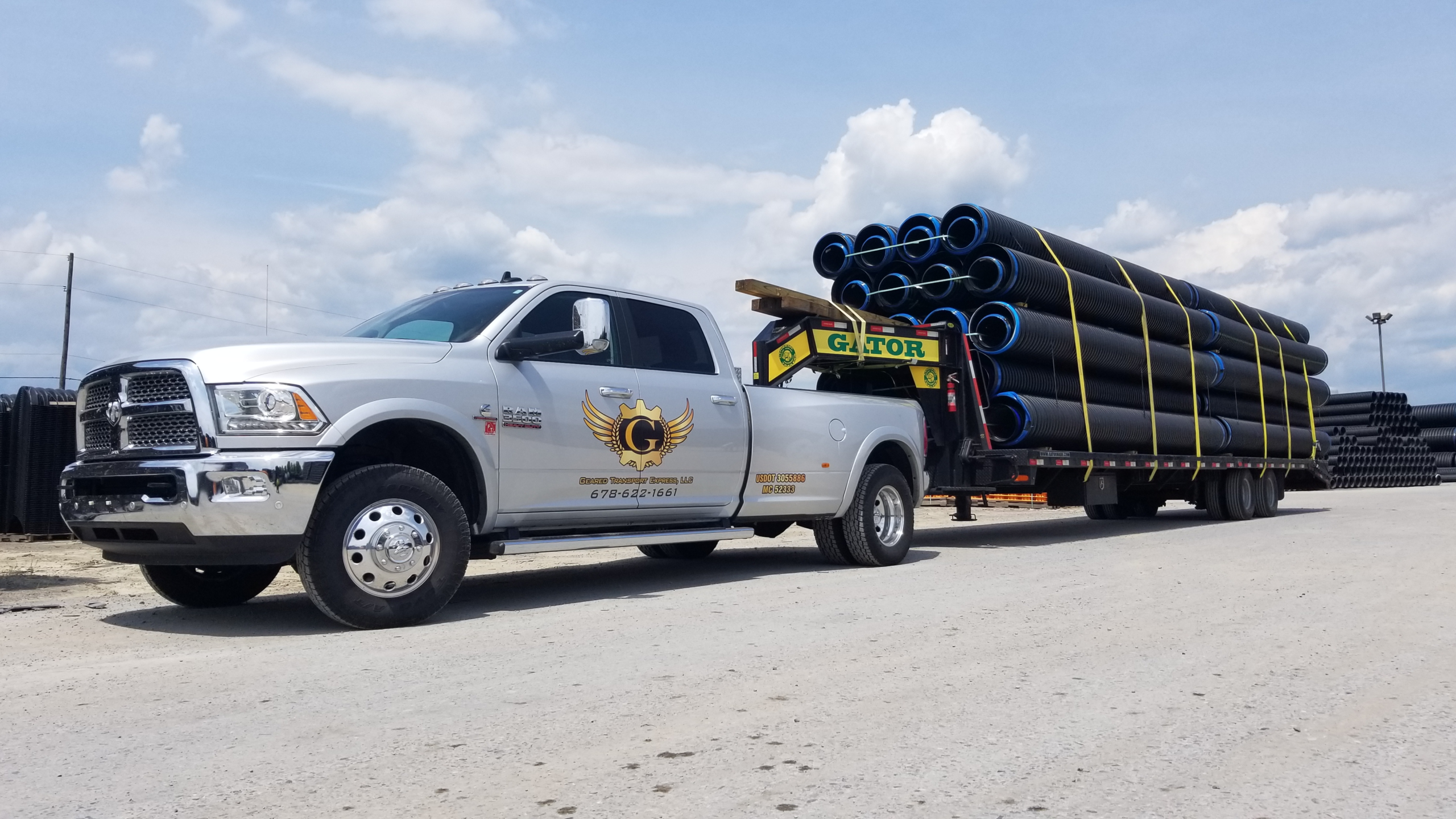
Hotshot trucking insurance is a specialized form of commercial auto coverage built for owner-operators who haul expedited, time-critical freight using a one-ton or heavier pickup truck paired with a flatbed, gooseneck, or trailer setup. Unlike traditional over-the-road trucking, hotshot work is defined by speed: short-notice pickups, tight delivery windows, and frequent trips between construction sites, manufacturing plants, and distribution hubs across the Cleveland metro area.
Because hotshot rigs don’t fit neatly into the “semi-truck” or “personal pickup” categories, standard auto policies almost never provide adequate protection. A personal auto policy typically excludes commercial use entirely, and a standard commercial auto policy may not account for the cargo you’re hauling or the way you operate under a motor carrier authority. This is exactly why this specialized coverage exists as its own category — it bridges the gap between personal auto coverage and full-scale trucking insurance, giving Cleveland hotshot operators protection that actually matches how they work.
Why Cleveland Hotshot Operators Face Unique Risk
Every city has its own trucking risk profile, and Cleveland is no exception. If you’re running hotshot loads through Cuyahoga County, you’re dealing with a mix of conditions that make the right hotshot trucking insurance policy especially important.
Winter weather and lake-effect snow. Cleveland sits on the shore of Lake Erie, and lake-effect snow squalls can turn I-90 or the Shoreway into a white-knuckle drive in minutes. Hotshot loads don’t pause for weather, which means Cleveland operators are frequently on the road in conditions that dramatically increase accident risk. A policy with strong physical damage coverage is essential when winter driving is part of your daily reality.
Dense industrial traffic. Cleveland’s manufacturing base — from steel processing in the Flats to auto parts suppliers scattered along I-77 — means hotshot drivers are constantly navigating tight industrial yards, loading docks, and congested surface streets. That kind of stop-and-go environment increases the odds of a cargo shift, a backing accident, or a collision with another commercial vehicle.
Interstate exposure. Cleveland sits at the crossroads of I-71, I-77, I-80 (the Ohio Turnpike), and I-90, making it a natural hub for regional and interstate hotshot freight. Operators running loads to Columbus, Pittsburgh, Detroit, or Indianapolis are exposed to multi-state liability laws, higher-speed highway accidents, and longer stretches of unfamiliar road — all factors that make comprehensive coverage a necessity rather than a nice-to-have.
Port and freight-hub activity. The Port of Cleveland and the surrounding rail and trucking infrastructure generate a steady stream of freight that needs to move fast, often on short notice — exactly the kind of work hotshot carriers specialize in. More freight opportunity also means more exposure, and more exposure means your coverage needs to keep pace with your growing workload.
Seasonal construction and infrastructure demand. Northern Ohio’s construction season runs hard from early spring through late fall, and Cleveland’s ongoing road, bridge, and infrastructure projects along the I-90 corridor and throughout Cuyahoga County keep flatbed and gooseneck operators busy hauling skid steers, mini excavators, pallets of block, and steel beams on tight timelines. That surge in seasonal work is exactly when a properly structured policy earns its keep, since a spike in mileage and load frequency also raises your exposure to accidents and cargo claims.
Neighborhood and corridor variety. From the industrial parks in Brooklyn and Independence to the warehouse district downtown, Cleveland’s geography forces hotshot drivers to adapt constantly — tight urban loading zones one hour, wide-open turnpike miles the next. Insurers weigh this kind of route diversity when underwriting a policy, which is another reason a generic, out-of-state quote rarely reflects what it actually costs to insure a truck running Cleveland’s mixed environment day in and day out.
What a Hotshot Trucking Insurance Policy Should Include
Not all hotshot trucking insurance policies are built the same way, and a cheap policy that’s missing key coverage can leave you exposed exactly when you need protection the most. Here’s what a properly structured policy for a Cleveland-based operator should include.
Commercial Auto Liability. This is the core of any policy in this category. It covers bodily injury and property damage you cause to others while operating your truck for business purposes. Ohio requires minimum liability limits for commercial vehicles, and if you operate under FMCSA authority, federal minimums (often $750,000 to $1,000,000 depending on cargo type) apply as well.
Physical Damage Coverage. Comprehensive and collision coverage protects your own truck and trailer against accidents, theft, vandalism, and weather-related damage — a critical piece of coverage given Cleveland’s harsh winters and the value of the pickups and trailers hotshot operators rely on.
Motor Truck Cargo Insurance. Hotshot loads are often high-value, time-sensitive freight — machinery, construction materials, auto parts, or oversized equipment. Cargo coverage within your policy reimburses you if that freight is damaged, lost, or stolen while in transit, protecting both your income and your reputation with shippers and brokers.
General Liability. This covers third-party bodily injury or property damage that happens off the road, such as while loading or unloading at a customer’s site. Many brokers and shippers won’t dispatch loads to you without proof of general liability alongside your commercial coverage.
Non-Trucking Liability (Bobtail Coverage). If you lease onto a motor carrier but also use your truck for personal errands or non-dispatched miles, non-trucking liability fills the coverage gap during those periods when your carrier’s policy isn’t active.
Trailer Interchange Coverage. If you regularly swap trailers with other carriers or shippers, this coverage protects trailers you don’t own but are legally responsible for while they’re in your possession.
Uninsured/Underinsured Motorist Coverage. With so much traffic moving through the Cleveland interstate system, the odds of an accident involving an underinsured driver are real. This coverage protects you and your equipment when the at-fault party doesn’t carry adequate insurance.
How Much Does Hotshot Trucking Insurance Cost in Cleveland?
Pricing for hotshot trucking insurance varies based on several factors, and Cleveland operators should expect quotes to reflect the specific risk profile of their operation rather than a flat, one-size-fits-all number. The main variables insurers weigh include:
- Driving experience and CDL/DOT history — Operators with a clean record and several years of experience typically see lower rates.
- Radius of operation — Local Cleveland routes generally cost less to insure than long-haul interstate runs.
- Type of freight hauled — Standard construction materials cost less to insure than hazardous or high-value cargo.
- Truck and trailer value — Newer, more expensive equipment increases physical damage premiums.
- Coverage limits and deductibles — Higher liability limits and lower deductibles raise your premium but reduce your out-of-pocket risk.
- Years in business — New authorities often pay more until they establish a claims history.
Because pricing for this type of coverage is so dependent on these individual factors, the best way to get an accurate number is to request a quote tailored to your specific truck, trailer, freight type, and driving record rather than relying on a generic online estimate.
Hotshot Freight Routes and Hubs Around Cleveland
Understanding the routes you actually run helps an agent structure your coverage correctly, and it helps explain why Cleveland-based operators face a slightly different risk picture than a hotshot driver working out of a rural county. Freight moving through Cleveland Hopkins International Airport, the industrial corridors around Steelyard Commons and the Cuyahoga Valley, and the manufacturing plants scattered along I-480 and I-271 all feed a steady demand for fast, flexible hauling. Add in the rail and shipping traffic tied to the Port of Cleveland, and it’s easy to see why so many hotshot operators base their business here rather than in a smaller, less freight-dense market.
That density cuts both ways. More freight means more opportunity, but it also means more merging traffic, more construction zones, and more stop-and-go conditions near loading docks and rail yards — all factors your insurer will ask about when quoting a policy built around how you actually run, not just where you’re registered.
Ohio and Federal Requirements Hotshot Operators Must Meet
Beyond simply carrying hotshot trucking insurance, Cleveland operators need to stay compliant with a handful of state and federal requirements:
FMCSA Operating Authority (MC Number). If you’re hauling for hire across state lines, you need active operating authority from the Federal Motor Carrier Safety Administration, along with proof of insurance filed on your behalf.
BOC-3 Process Agent Filing. This designates an agent in each state where you operate who can accept legal documents on your behalf — a required filing alongside your hotshot trucking insurance for anyone running interstate freight.
MCS-90 Endorsement. This federally mandated endorsement guarantees that injured third parties are compensated even if your policy has exclusions that would otherwise apply, and it’s typically required as part of your hotshot trucking insurance filing.
Ohio Minimum Liability Limits. Ohio’s Department of Public Safety sets baseline liability requirements for commercial vehicles registered in the state, and your hotshot trucking insurance policy needs to meet or exceed these limits at all times.
DOT Number Registration. Any commercial vehicle over 10,001 pounds GVWR used in interstate commerce typically needs a USDOT number, which ties directly to your safety record and insurance filings.
Staying on top of these filings isn’t just about avoiding fines — a lapse in any one of them can invalidate your ability to legally haul freight, even if your policy itself is fully paid and active.
Common Mistakes Cleveland Hotshot Operators Make
After years of working with owner-operators across northern Ohio, a few recurring mistakes show up again and again when it comes to hotshot trucking insurance:
- Assuming a personal auto policy is enough. Personal policies almost always exclude commercial use, leaving you completely uncovered if you’re hauling for pay when an accident happens.
- Underinsuring cargo value. Hotshot loads can be worth far more than operators realize, and skimping on cargo limits within your policy can leave you paying out of pocket for a damaged load.
- Letting coverage lapse between loads. Gaps in coverage — even short ones — can trigger higher premiums later and leave you exposed during the exact window you thought you were covered.
- Choosing the cheapest quote without checking the fine print. The lowest-priced policy often comes with lower liability limits, higher deductibles, or exclusions that only surface after a claim.
- Not disclosing operating radius accurately. Misrepresenting how far you actually run can void a claim if your insurer discovers you were operating outside your stated radius.
- Skipping non-trucking liability. Operators who lease onto a carrier sometimes assume they’re covered at all times, only to find out bobtail miles weren’t included in their coverage.
- Overlooking equipment modifications. Adding a headache rack, winch, ramps, or a custom deck changes the value and risk profile of your rig, and failing to report those upgrades can reduce what you’re paid out on a physical damage claim.
How to Choose the Right Hotshot Trucking Insurance Provider in Cleveland
Not every insurance agency understands the hotshot niche, and working with someone unfamiliar with your business can mean missed coverage or overpriced quotes. When comparing hotshot trucking insurance providers in Cleveland, look for:
Experience with hotshot-specific risk. An agent who regularly writes this type of coverage will understand the difference between a straight pickup-and-flatbed setup and a full tractor-trailer, and will price your policy accordingly.
Access to multiple carriers. Because hotshot risk varies so much by operator, working with an agency that can shop your hotshot trucking insurance across several carriers — rather than being locked into one company — usually gets you better coverage at a more competitive rate.
Fast certificate of insurance turnaround. Brokers and shippers often require a same-day certificate of insurance before dispatching a load. A provider who can issue your COI instantly (or give you self-service access) keeps you moving instead of sitting idle waiting on paperwork.
Help with DOT and federal filings. A provider who understands this niche should also be able to guide you through BOC-3 filings, MCS-90 endorsements, and DOT compliance — not just sell you a policy and disappear.
Responsive claims support. When an accident happens, you need an agency that answers the phone and helps you navigate the claims process quickly, not one that leaves you on hold while your truck sits in a shop.
Why Cleveland Commercial Truck Insurance Is Built for Hotshot Operators
Cleveland Commercial Truck Insurance specializes in hotshot trucking insurance for owner-operators and small fleets throughout Cleveland and northern Ohio. Rather than treating hotshot operators as an afterthought, coverage is built around the specific way hotshot freight actually moves — short-notice dispatches, flatbed and gooseneck setups, and the mix of local, regional, and interstate lanes common throughout Cuyahoga County.
Working with multiple major carriers means quotes for hotshot trucking insurance can be shopped to find the right fit rather than pushing every operator into the same generic policy. Whether you’re hauling construction materials along I-77, running auto parts between Cleveland and Detroit, or picking up expedited freight tied to activity at the Port of Cleveland, coverage can be structured around your specific operation — including commercial auto liability, physical damage, cargo insurance, general liability, and the DOT and federal filings (BOC-3, MCS-90) that go along with running under your own authority.
Same-day certificates of insurance are available, along with 24/7 support for operators who need answers outside of standard business hours — because hotshot freight doesn’t wait for business hours, and neither should your insurance provider. With a 4.6-star rating across more than 500 reviews, Cleveland Commercial Truck Insurance has built a reputation for responsive service and genuine industry expertise, not just competitive pricing.
Frequently Asked Questions About Hotshot Trucking Insurance in Cleveland
Do I need a CDL to get hotshot trucking insurance? Not necessarily. Many hotshot operators run trucks and trailers under the weight threshold that requires a CDL. However, your specific setup and combined weight rating will determine your licensing requirements, and your insurer will need accurate details to price your policy correctly.
Can I get hotshot trucking insurance with a new operating authority? Yes, though new authorities often pay higher premiums until they build a safety and claims history. Working with a provider experienced in hotshot trucking insurance for new operators can help you find carriers willing to write new-authority business at a reasonable rate.
Does hotshot trucking insurance cover my trailer as well as my truck? It can, but only if physical damage coverage is specifically added for the trailer. Always confirm that both your truck and trailer are listed and valued correctly on your policy.
How fast can I get a certificate of insurance after buying hotshot trucking insurance? Many providers, including Cleveland Commercial Truck Insurance, offer instant or same-day certificates of insurance, which is often essential for hotshot operators who need proof of coverage before a broker will release a load.
Is hotshot trucking insurance more expensive than regular commercial auto insurance? It depends on your operation. Rates are based on your specific truck, trailer, freight type, and driving record rather than a blanket category, so comparing quotes is the only way to know what you’ll actually pay.
What happens if I add a second truck to my operation? Growing from a single rig to a small fleet changes your risk profile and typically requires an updated policy that accounts for multiple drivers, additional equipment values, and how the trucks are dispatched. Loop your agent in before you add a truck, not after, so your coverage keeps pace with your business rather than lagging behind it. This is especially true for Cleveland operators bringing on a second driver mid-season, since a gap in reported equipment or drivers can slow down a claim exactly when you need funds released quickly to get a truck back on the road.
Get a Hotshot Trucking Insurance Quote in Cleveland Today
Running a hotshot operation in Cleveland means dealing with lake-effect winters, congested industrial corridors, and a constant stream of time-sensitive freight — all while trying to keep your business compliant and profitable. The right hotshot trucking insurance policy protects your truck, your trailer, your cargo, and your income so a single accident or claim doesn’t put your entire operation at risk.
Cleveland Commercial Truck Insurance works with owner-operators and small fleets throughout Cleveland and northern Ohio to build hotshot trucking insurance policies that actually match how hotshot freight moves. Call (216) 547-0225 or request an online quote to get coverage built around your specific truck, trailer, and freight — and get back to hauling loads with confidence.

Leave a Reply