
Box Truck Insurance in Cleveland, Ohio: The Complete 2026 Guide for Owner-Operators and Fleets
If you run a straight truck through the streets of Cleveland, Ohio, you already know that box truck insurance isn’t just a line item on a checklist — it’s the foundation your entire operation stands on. Whether you’re delivering furniture in Ohio City, hauling freight down I-71 toward Columbus, or running local routes through the Flats industrial district, the right coverage is what stands between a fender bender and a business-ending loss. In this guide, we’ll break down everything Cleveland-based owner-operators and fleet managers need to know about box truck insurance, from coverage types and pricing to the local risks that make Cleveland a unique market for trucking coverage.
Cleveland is one of the busiest logistics corridors in the Midwest, and the demand for reliable, well-structured commercial coverage has never been higher. Straight trucks move everything from furniture and appliances to retail inventory, medical supplies, and last-mile parcels across Cuyahoga County every single day. Understanding how this coverage works, what it costs, and why local expertise matters can save your business real money and real headaches down the road.
The rise of e-commerce and same-day delivery has only accelerated demand for straight trucks across Northeast Ohio, and that growth has made box truck insurance a bigger priority than ever for small fleets and independent operators alike. More trucks on the road means more competition for freight, tighter margins, and less room for an uninsured loss to sideline your business for weeks at a time. A well-structured policy isn’t just a defensive move; it’s part of running a serious, sustainable trucking operation in a market that keeps getting busier.
What Is Box Truck Insurance?
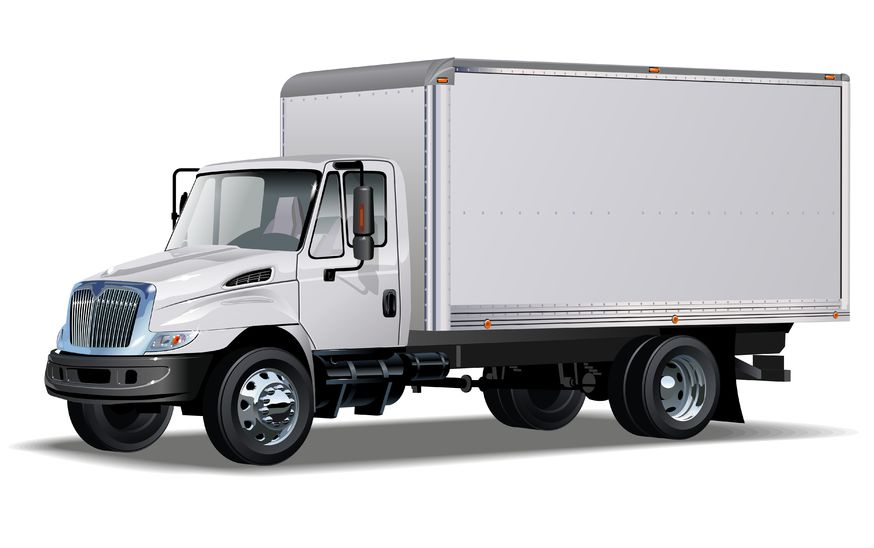
Box truck insurance is a specialized form of commercial auto coverage built specifically for 16-foot to 26-foot straight trucks — the kind of vehicle used for local deliveries, moving services, last-mile logistics, and regional freight. Unlike a personal auto policy, this coverage is designed around the realities of commercial hauling: heavier loads, more time on the road, higher liability exposure, and cargo that has real financial value.
A well-built box truck insurance policy typically bundles together several types of protection, including primary auto liability, physical damage coverage (comprehensive and collision), motor truck cargo insurance, and optional add-ons like non-trucking liability, general liability, and hired/non-owned auto coverage. For Cleveland businesses that lease their trucks to a motor carrier or operate under their own DOT authority, this protection is what keeps operations legal, compliant, and financially secure.
It’s worth noting that no two policies look exactly alike. A courier service running short intracity routes has a very different risk profile than a regional carrier hauling retail freight across three states, and a properly structured policy should reflect that difference rather than forcing every operator into the same template.
Why Cleveland Box Truck Owners Need Specialized Coverage
Cleveland is a logistics hub. Sitting along Lake Erie with direct access to I-90, I-71, I-77, and I-480, the city sees a constant flow of straight trucks moving goods between the Port of Cleveland, downtown distribution centers, and neighborhoods stretching from Lakewood to Shaker Heights. That density of commercial traffic means Cleveland box truck operators face a very different risk profile than a driver in a smaller, quieter market — and that’s exactly why generic auto policies fall short.
Box truck insurance built for the Cleveland market accounts for a few realities that are hard to ignore. First, there’s the weather. Lake-effect snow can turn I-90 near the shoreline into a slow-motion pileup risk every winter, and box trucks — with their high center of gravity and long wheelbase — are especially vulnerable to skidding and rollover accidents in icy conditions. Second, there’s traffic density. Downtown Cleveland, the Flats, Tremont, and Ohio City are packed with narrow streets, delivery zones, and heavy pedestrian traffic, all of which increase the odds of a fender bender or cargo-related claim. Third, there’s cargo theft. Idle trucks parked overnight near warehouse districts or rest stops along I-480 can be targets for theft, which is why cargo coverage inside a comprehensive policy matters so much in this region.
Local agents who understand Cleveland’s roads, weather patterns, and delivery corridors can build a box truck insurance policy that actually reflects the risks you face every day — not a one-size-fits-all template pulled from a national call center with no ties to Northeast Ohio.
Core Coverage Components of a Box Truck Insurance Policy
When you’re shopping for box truck insurance in Cleveland, it helps to understand exactly what you’re buying. Here’s a breakdown of the coverage types that typically make up a complete policy.
Primary Auto Liability
This is the foundation of any commercial policy and is required by both Ohio state law and federal regulations if you’re operating under a DOT number. Primary liability covers bodily injury and property damage you cause to others in an at-fault accident. Given how much traffic moves through downtown Cleveland and the surrounding interstates, adequate liability limits are non-negotiable.
Physical Damage Coverage (Comprehensive and Collision)
This portion of your policy protects the truck itself. Comprehensive coverage handles non-collision losses like theft, vandalism, fire, and weather damage — a real concern given Cleveland’s harsh winters — while collision coverage pays for repairs after an at-fault or single-vehicle accident. Replacement cost, actual cash value, and agreed value options can all change how a claim gets settled, so it’s worth reviewing carefully with your agent.
Motor Truck Cargo Insurance
If you’re hauling freight for others, cargo coverage is a critical piece of your box truck insurance. It protects the goods inside your truck from damage, theft, or loss while in transit. Many shippers and brokers in the Cleveland market won’t even work with a carrier that can’t prove adequate cargo limits, so this coverage often becomes a condition of doing business rather than an optional extra.
Non-Trucking Liability (Bobtail Coverage)
If you’re leased to a motor carrier but drive your truck for personal use or between dispatches, non-trucking liability fills the coverage gap your carrier’s policy leaves behind. It’s a common add-on for owner-operators working under someone else’s authority, and it typically costs far less than most drivers expect.
General Liability
General liability protects your business from claims that don’t involve your vehicle directly — things like a customer slipping at your loading dock or property damage during a delivery. It rounds out a comprehensive package for businesses that do more than just drive, including those that store inventory, operate a warehouse, or maintain a physical office in the Cleveland area.
Hired and Non-Owned Auto Coverage
If your Cleveland business rents trucks or uses employee-owned vehicles for deliveries, this coverage extends protection to those situations, making sure your overall program doesn’t leave gaps when you’re not driving your own equipment.
What Affects the Cost of Box Truck Insurance in Cleveland?
Every Cleveland business asks the same question early on: how much does box truck insurance actually cost? The honest answer is that it depends on a handful of factors, and understanding them can help you control your premium over time.
Driving history is the single biggest factor. A clean record with no at-fault accidents or moving violations will keep premiums lower than a record with recent claims. Radius of operation matters too — a truck that stays within Cuyahoga County will typically see different rates than one running long-haul routes across state lines, since more time on the road means more exposure. Cargo type and value play a role as well; hauling high-value electronics or furniture carries different risk than hauling non-perishable dry goods, and that difference shows up in your quote. Truck age and condition matter because older trucks may cost more to insure for physical damage, while well-maintained newer trucks often qualify for better rates. Finally, years in business and DOT safety scores, measured through the FMCSA’s CSA program, can significantly move the needle on your box truck insurance premium, since insurers reward carriers with a demonstrated track record of safety and compliance.
A few practical steps can help lower your costs over time: maintain a dashcam program to dispute liability in minor incidents, enforce a written driver safety policy, keep maintenance records current, and review your coverage annually rather than letting it auto-renew without a second look. Working with an agency that shops your policy across multiple carriers — rather than being locked into a single insurer — is one of the most effective ways to make sure your premium reflects your actual risk, not just a generic underwriting formula.
Ohio DOT Compliance and Coverage Requirements
Operating a box truck in Cleveland means navigating both Ohio state requirements and federal regulations if you cross state lines or haul freight for hire. Depending on your operation, you may need to file a BOC-3 (designation of process agents), maintain MCS-90 endorsements, or meet FMCSA minimum liability limits, which currently start at $750,000 for general freight and climb higher for hazardous materials.
A properly structured box truck insurance policy should already account for these filings, so you’re not scrambling to track down separate paperwork every time a broker or shipper asks for proof of coverage. An experienced Cleveland-based agency can handle your DOT filings alongside your policy, making sure your Certificate of Insurance is accurate, current, and ready whenever it’s requested — sometimes even providing instant access so you can generate your own COI without waiting on a phone call.
Common Risks Cleveland Box Truck Operators Face
Understanding the risks specific to Cleveland helps explain why local expertise in box truck insurance matters so much.
Winter weather is the obvious one. Cleveland sits in the heart of the snowbelt, and lake-effect squalls off Lake Erie can dump a foot of snow in a matter of hours, especially in the eastern and southern suburbs. Box trucks, with their tall profile and rear-wheel-drive setups, are more prone to jackknifing and sliding than passenger vehicles, which is why underwriting in this region often factors winter driving conditions heavily.
Urban congestion is another major factor. Neighborhoods like Ohio City, Tremont, and the Warehouse District were built long before delivery vans and box trucks became a daily fixture, meaning narrow streets, limited parking, and tight turns are a fact of life. These conditions increase the likelihood of minor collisions, mirror strikes, and property damage claims — all of which a solid box truck insurance policy needs to account for.
Cargo theft and vandalism rise in industrial corridors near the Port of Cleveland and along truck stops off I-480 and I-71. Trucks left idling or parked overnight are common targets, making comprehensive and cargo coverage within your policy essential rather than optional.
Seasonal freight surges around the holidays and during construction season also increase mileage and delivery volume for many Cleveland operators, which can shift risk exposure throughout the year and should be reflected in how your box truck insurance policy is structured and reviewed.
Neighborhoods and Delivery Corridors We Understand
A local agency doesn’t just know Cleveland from a map — it knows the streets your drivers actually run every day. Downtown Cleveland’s Warehouse District and the Flats present tight loading zones and heavy foot traffic. Ohio City and Tremont combine narrow residential streets with a booming restaurant and retail scene, meaning frequent short stops and tricky parking. Slavic Village, Collinwood, and Detroit-Shoreway see a steady mix of light industrial and residential deliveries. Suburbs like Lakewood, Parma, Euclid, and Shaker Heights add commuter traffic and school zones into the mix during peak delivery hours. Farther out, routes running through Solon, Strongsville, and Mentor connect Cleveland’s urban core to the broader northern Ohio supply chain, adding highway merges and higher speeds into an already varied risk picture for local delivery fleets. Every one of these corridors carries its own traffic patterns, weather exposure, and claims history, and that local knowledge is exactly what should shape how your policy is priced and structured.
How to Choose the Right Box Truck Insurance Provider in Cleveland
Not all insurance agencies understand the trucking industry, and even fewer understand the specific dynamics of the Cleveland market. When you’re evaluating providers, look for a few key things.
First, ask whether the agency works with multiple carriers or just one. An agency that can shop your policy across several insurers is far more likely to find competitive pricing and coverage that actually fits your operation, rather than forcing you into whatever a single carrier happens to offer.
Second, look for industry-specific expertise. A generalist insurance agency may understand personal auto policies well but miss critical nuances in cargo valuation, non-trucking liability, or DOT compliance that a trucking-focused agency handles every day. This is a specialized product, and it deserves a specialized agent who lives and works in the same market you do.
Third, consider claims support and availability. Accidents don’t happen on a nine-to-five schedule, and a provider that offers 24/7 support and fast claims handling can be the difference between a truck back on the road in days versus weeks.
Finally, ask about technology. The ability to generate your own Certificate of Insurance instantly, rather than waiting on a callback, has become a real differentiator for busy Cleveland trucking businesses that need proof of box truck insurance on short notice for brokers, shippers, or job sites.
It also helps to ask current customers how claims were actually handled, not just how quickly a quote was delivered. A provider that talks a good game during the sales process but disappears after an accident isn’t doing you any favors. Reading reviews, asking for references from other Cleveland-area operators, and checking how long an agency has actually been serving the local trucking community are all reasonable steps before committing to a box truck insurance provider for the long haul.
Why Cleveland Commercial Truck Insurance Is the Local Choice
Cleveland Commercial Truck Insurance was built specifically to serve owner-operators and fleets throughout Cleveland and northern Ohio, and box truck insurance is one of our core specialties. We understand the routes, the weather, the neighborhoods, and the regulatory landscape that shape risk for local trucking businesses, and we use that knowledge to build policies that actually fit the way Cleveland businesses operate.
We work with multiple major carriers, which means we can shop the market on your behalf instead of pushing a single insurer’s product regardless of fit. Our team offers industry expertise across box truck insurance, tractor-trailer coverage, dump truck insurance, flatbed insurance, tow truck insurance, and more, so whatever you haul, we understand the risk behind it. We’re also available 24/7, and we can set you up with instant access to generate your own Certificate of Insurance the moment you need one — no waiting, no delays.
With over 500 reviews and a strong reputation throughout Cleveland and northern Ohio, our team has helped countless owner-operators and fleet managers get properly covered, stay DOT compliant, and keep their trucks moving. If you’re searching for box truck insurance in Cleveland, we’d welcome the chance to build a policy around your specific operation.
Frequently Asked Questions
Does Ohio require this coverage for all commercial straight trucks? Yes. Any box truck used for commercial purposes in Ohio needs, at minimum, primary liability coverage that meets state requirements, and often federal minimums if you’re operating under a DOT number or hauling for hire. This coverage is what satisfies these requirements while also protecting your equipment and cargo.
How much does box truck insurance cost in Cleveland? Costs vary widely based on driving history, radius of operation, cargo type, and truck age, but working with an agency that shops multiple carriers is the best way to find competitive pricing for your specific operation.
Can I get coverage if I’m leased to a motor carrier? Yes. Owner-operators leased to a carrier often still need non-trucking liability coverage, which is commonly bundled into a full policy to fill the gaps left by the carrier’s policy when you’re not dispatched.
What’s the fastest way to get proof of coverage for a job or broker? Many Cleveland box truck insurance providers, including Cleveland Commercial Truck Insurance, offer instant Certificate of Insurance access, so you can generate proof of your policy on demand without waiting for a callback.
How often should I review my policy? At least once a year, and any time your operation changes significantly — new trucks, new drivers, a change in cargo type, or an expanded operating radius are all good reasons to revisit your coverage with your agent rather than waiting for renewal.
Get Box Truck Insurance in Cleveland Today
If you’re operating a box truck anywhere in Cleveland or northern Ohio, having the right policy in place isn’t just about compliance — it’s about protecting your equipment, your cargo, and your livelihood against the specific risks this market presents, from lake-effect snowstorms to congested downtown delivery routes. Cleveland Commercial Truck Insurance specializes in building box truck insurance policies tailored to local operators, backed by multiple carrier relationships, industry expertise, and 24/7 support.
Peace of mind on the road starts long before you ever need to file a claim. It starts with a policy built by people who actually understand Cleveland’s weather, its neighborhoods, and the daily grind of running a straight truck through a busy Midwest city. That’s the difference a locally focused box truck insurance partner can make for your business, your drivers, and your bottom line.
Ready to get covered? Call Cleveland Commercial Truck Insurance today at (216) 547-0225 or request an online quote to get your policy started. Our team is located at 3100 E 45th St Suite 625, Cleveland, OH 44127, and we’re ready to help your business stay protected, compliant, and on the road.

Leave a Reply