
Oversized and Overweight Insurance in Cleveland, Ohio: What Every Trucking Company Needs to Know
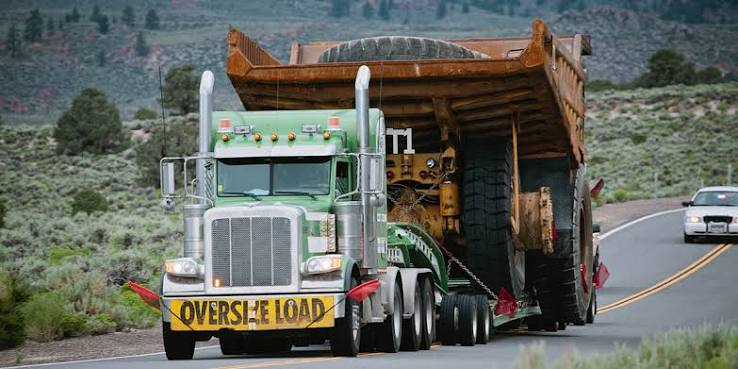
If you run superloads through Cuyahoga County, you already know that a standard commercial auto policy isn’t built to protect a 14-foot-wide steel coil, a 100,000-pound crane boom, or a wind turbine blade stretching across three lanes of I-90. That’s where this specialized coverage comes in. For trucking companies operating in and around Cleveland, Ohio, securing the right coverage isn’t just a smart business decision — it’s the difference between a profitable haul and a company-ending claim.
Cleveland sits at the crossroads of some of the busiest freight corridors in the Midwest. Interstate 90, Interstate 71, Interstate 77, and Interstate 480 all converge near the city, funneling heavy equipment, steel products, construction machinery, and industrial freight through downtown and the surrounding suburbs every single day. Add in the Port of Cleveland on Lake Erie, the steel mills along the Cuyahoga River, and the wind energy and manufacturing projects scattered across Northern Ohio, and you have a region where oversized and overweight insurance isn’t optional — it’s essential.
In this guide, we’ll break down everything Cleveland-area trucking companies and owner-operators need to understand about specialized superload coverage: what it covers, why Ohio’s permitting rules make it so important, what factors drive the cost of oversized and overweight insurance, and how to choose the right agency to protect your rig, your cargo, and your business.
What Is Oversized and Overweight Insurance?
Oversized and overweight insurance is a specialized form of commercial trucking coverage designed for loads that exceed standard legal limits for width, height, length, or weight. In Ohio, any load wider than 8 feet 6 inches, taller than 13 feet 6 inches, longer than 53 feet (trailer length), or heavier than 80,000 pounds gross vehicle weight typically requires an oversize/overweight permit — and that permit almost always comes with an insurance requirement attached.
Unlike a typical commercial auto policy, a properly structured superload policy is built around the unique risks of hauling superloads: wider swing radius, restricted maneuverability, escort vehicle coordination, bridge and roadway weight restrictions, and higher cargo values. A standard policy simply wasn’t designed with these exposures in mind, which is why carriers and brokers who specialize in oversized and overweight insurance structure policies differently from a typical dry van or reefer policy.
For Cleveland trucking companies hauling steel, heavy machinery, construction equipment, wind components, or modular buildings, oversized and overweight insurance typically includes:
- Primary auto liability with higher limits to reflect the increased risk of a superload
- Motor truck cargo coverage scaled to the actual replacement value of oversized freight
- Physical damage coverage for the specialized trailers (lowboys, extendable flatbeds, RGNs) used to haul overweight loads
- General liability to protect against third-party injury or property damage during loading, unloading, or staging
- Pilot/escort vehicle liability, since Ohio law requires escort vehicles for many oversized loads
- Permit bonds or surety requirements tied to the Ohio Department of Transportation’s oversize/overweight permitting system
Why Cleveland Trucking Companies Need Oversized and Overweight Insurance
Cleveland’s industrial roots make it one of the more active oversized-load markets in Ohio. The city’s manufacturing base, its steel industry, and its position on Lake Erie shipping lanes mean that heavy, oversized freight moves through the region constantly. Trucking companies based in Cleveland, Akron, Canton, Lorain, and Elyria regularly haul loads that require both an Ohio oversize permit and oversized and overweight insurance to legally operate.
Here’s why this kind of coverage matters so much in this specific market:
1. Cleveland’s infrastructure includes aging bridges and weight-restricted roadways. Cuyahoga County has a significant number of bridges with posted weight limits, and hauling an overweight load across the wrong bridge without proper routing — and proper oversized and overweight insurance — can result in catastrophic structural damage, massive liability exposure, and steep fines from ODOT.
2. The Port of Cleveland generates a steady stream of oversized cargo. Import and export freight moving through the port frequently includes turbine components, industrial machinery, and project cargo that requires specialized rigging and this specialized coverage before it ever touches the highway.
3. Northern Ohio’s wind energy buildout means more superloads on I-90 and I-71. Wind turbine blades and nacelles are some of the most challenging oversized loads to insure, given their extreme length and the specialized handling required. Oversized and overweight insurance for these hauls needs to account for both the cargo value and the complexity of the route.
4. Downtown Cleveland’s tight urban grid complicates routing. Superloads moving through the Flats, the Warehouse District, or near Progressive Field require careful route planning, often at night, with police escorts — all of which factor into how this type of superload policy is priced and structured.
5. Ohio’s permitting system requires proof of coverage. The Ohio Department of Transportation will not issue an oversize/overweight permit without verification that a carrier holds adequate specialized superload coverage. Without it, your trucks simply can’t legally move the load.
Ohio Permit Requirements and How Oversized and Overweight Insurance Fits In
Ohio’s oversize/overweight permitting process is handled through ODOT’s Autopermits system, and it’s more involved than most out-of-state carriers expect. Depending on the dimensions and weight of your load, you may need:
- A single-trip permit for a one-time move
- An annual permit for recurring hauls of similar dimensions
- A superload permit for loads that exceed extreme thresholds (often triggering a full engineering review of your route)
- Escort vehicle certification for loads over certain width or length thresholds
- Route-specific approval when bridges, overpasses, or weight-restricted roads lie along your path
At every stage of this process, proof of this coverage is required. ODOT and local municipalities want assurance that if something goes wrong — a bridge strike, a cargo shift, a collision with a low-clearance overpass — there’s a policy in place to cover the damage. Without valid oversized and overweight insurance, your permit application can be denied outright, or revoked if your coverage lapses mid-haul.
This is one of the most overlooked aspects of running oversized freight in Ohio: your insurance and your permit are directly linked. A gap in your coverage doesn’t just expose you financially — it can shut down your ability to legally operate in the state until coverage is restored.
What Makes Oversized and Overweight Insurance Different From Standard Trucking Coverage
Many Cleveland-based owner-operators assume their existing commercial auto policy will simply extend to cover an oversized load. This is one of the most costly assumptions in the industry. This specialty policy differs from standard coverage in several important ways:
Higher liability limits. A superload involves more mass, more momentum, and more potential for catastrophic damage in a collision. Insurers pricing oversized and overweight insurance typically require higher liability limits — often $1 million to $5 million or more — compared to a standard $750,000 to $1 million policy for conventional freight.
Specialized equipment coverage. Lowboy trailers, extendable flatbeds, jeep and booster dollies, and RGN (removable gooseneck) trailers are expensive, specialized pieces of equipment. Coverage built for oversized freight needs to account for the full replacement cost of this equipment, which standard physical damage coverage often underestimates.
Cargo valuation. A steel coil, a transformer, or a piece of industrial machinery can be worth hundreds of thousands of dollars. This kind of coverage must be written with cargo limits that actually match the value of what’s being hauled — not the flat, generic cargo limits found in a standard motor carrier policy.
Escort and pilot car liability. Ohio law requires certified escort vehicles for many oversized moves, and those escort operations carry their own liability exposure. A well-structured oversized and overweight insurance policy accounts for this coordinated operation, not just the truck itself.
Route and permit compliance. Insurers who specialize in this specialized coverage understand ODOT’s permitting requirements and can help ensure your coverage documentation matches what the state requires — something a generic personal-lines-style agent often gets wrong.
Common Risks That Oversized and Overweight Insurance Protects Against
Hauling oversized and overweight freight through the Cleveland area introduces risks that simply don’t exist with standard freight. Some of the most common claims scenarios that this type of superload policy is designed to address include:
- Bridge strikes on the Innerbelt, the Shoreway, or older overpasses throughout Cuyahoga County
- Cargo shifting during transport, particularly on uneven or construction-affected roadways
- Rollover incidents caused by the higher center of gravity common with oversized loads
- Third-party property damage, including utility lines, guardrails, and signage struck during wide turns
- Escort vehicle collisions, since pilot cars operate in close coordination with the primary rig
- Weather-related incidents, particularly during Lake Erie’s notorious lake-effect snow, which can turn a routine oversized haul into a serious hazard
- Permit violations, which can trigger both fines and coverage disputes if oversized and overweight insurance wasn’t properly documented at the time of the incident
A single incident involving an oversized load can produce damages far beyond what a standard trucking policy is designed to absorb. This is precisely why specialized superload coverage exists — to close the gap between what a conventional policy covers and what an oversized or overweight haul actually exposes a carrier to.
Factors That Affect the Cost of Oversized and Overweight Insurance in Cleveland
Every trucking company wants a straight answer on price, but this coverage is priced based on several variables specific to your operation:
1. Load type and frequency. A company hauling occasional oversized construction equipment pays differently than one that regularly moves wind turbine blades or steel coils across Northern Ohio. Frequency and load type both influence how a properly structured superload policy is underwritten.
2. Driver experience. Insurers pricing oversized and overweight insurance place heavy weight on driver experience specifically with oversized loads, not just general CDL experience. A driver with a strong record hauling superloads through Cleveland’s tight urban routes will typically see better rates.
3. Equipment age and type. Newer, well-maintained lowboys and RGN trailers reduce risk and can lower the cost of this specialty policy compared to older equipment with a spotty maintenance history.
4. Route complexity. Hauling through downtown Cleveland, across the Cuyahoga River valley, or along weight-restricted county roads adds complexity that factors into your oversized and overweight insurance premium.
5. Claims history. As with any commercial policy, a clean claims history helps keep coverage built for oversized freight costs down, while prior bridge strikes or cargo losses will raise premiums significantly.
6. Coverage limits and cargo value. The higher the value of the freight you’re hauling, the more your oversized and overweight insurance will cost — but underinsuring valuable cargo is a far more expensive mistake in the long run.
7. Seasonal exposure. Northern Ohio winters bring lake-effect snow, ice, and reduced visibility, all of which insurers factor into the annual cost of this kind of coverage for carriers operating year-round in the Cleveland area.
How to Choose the Right Oversized and Overweight Insurance Provider in Cleveland
Not every insurance agency understands the nuances of superload coverage. When you’re shopping for this specialized coverage in Cleveland, look for a provider that offers the following:
Local knowledge of Ohio’s permitting system. An agent who understands ODOT’s Autopermits process, escort vehicle requirements, and Cuyahoga County’s bridge restrictions can help make sure your paperwork for this coverage aligns with what the state actually requires — avoiding delays at the permit stage.
Access to multiple carriers. Because oversized and overweight insurance is a specialty line, not every insurance company writes it well. Working with an independent agency that shops your policy across several carriers typically produces better pricing and broader coverage than going direct to a single insurer.
Fast certificate of insurance turnaround. When a permit office or a general contractor needs proof of specialized superload coverage on short notice, you need an agency that can produce a certificate of insurance quickly — ideally with instant online access rather than waiting on a callback.
Experience with your specific equipment. Whether you’re running a lowboy, an extendable flatbed, an RGN, or a specialized trailer for wind components, your oversized and overweight insurance provider should understand how that equipment is rated and insured.
24/7 support. Oversized loads often move at night or during off-hours to avoid Cleveland’s daytime traffic congestion. If an incident happens at 2 a.m. on I-480, you need an agency that answers the phone and can guide you through the claims process for this coverage immediately.
Oversized and Overweight Insurance for Different Types of Cleveland Freight
Different industries around Cleveland rely on a properly structured superload policy in different ways:
Steel and manufacturing freight. Cleveland’s steel industry moves massive coils, beams, and fabricated components that routinely exceed standard weight limits. Oversized and overweight insurance for this freight needs to reflect both the density of the cargo and the specialized flatbed or step-deck equipment used to haul it.
Construction and heavy equipment. Excavators, cranes, and other heavy machinery moving to job sites throughout Northeast Ohio require this specialty policy that accounts for both the transport risk and the loading/unloading exposure at active construction sites.
Wind energy components. Turbine blades, towers, and nacelles moving through Northern Ohio en route to wind farms are among the most demanding loads to insure, given their extreme dimensions. Coverage built for oversized freight for this segment often requires specialized underwriting and route-specific liability considerations.
Modular and prefabricated structures. Modular homes, prefabricated buildings, and similar structures moving into the Cleveland metro area require oversized and overweight insurance that covers both the structural cargo value and the wide-load transport risk.
Port and industrial cargo. Freight moving through the Port of Cleveland — including machinery, industrial equipment, and project cargo — often needs this kind of coverage from the moment it leaves the dock until it reaches its final destination.
Key Cleveland-Area Routes Where Oversized and Overweight Insurance Matters Most
Route planning is just as important as coverage itself, and the two go hand in hand. Carriers moving superloads through Northern Ohio typically rely on a handful of corridors, each with its own quirks that make proper coverage essential:
I-90 through the Lakefront. The stretch of I-90 running along Lake Erie handles heavy volumes of freight moving between Cleveland, Erie, and Toledo. Lake-effect weather, merging traffic near downtown, and bridge clearances all raise the stakes for carriers without solid oversized and overweight insurance in place.
I-71 and I-77 into downtown. These corridors funnel freight from Columbus and Akron directly into Cleveland’s urban core, where tight ramps and lower overpasses demand careful routing and coordinated escort vehicles.
I-480 and the industrial valley. Running through Cleveland’s manufacturing corridor, I-480 sees constant oversized freight tied to steel production and heavy equipment manufacturing — exactly the kind of traffic that oversized and overweight insurance was built to protect.
The Shoreway and the Flats. Freight moving to or from the Port of Cleveland often passes through the Shoreway and the industrial Flats district, an area known for narrow streets, active rail crossings, and older infrastructure.
Every one of these routes carries its own risk profile, and a knowledgeable agent will factor local road conditions into how your oversized and overweight insurance policy is structured.
Frequently Asked Questions About Oversized and Overweight Insurance in Cleveland
Does Ohio require this specialized coverage for every oversize permit? Yes. ODOT requires proof of adequate liability coverage before issuing an oversize/overweight permit, and that coverage must meet or exceed the state’s minimum requirements for the load being hauled.
How much oversized and overweight insurance coverage do I need? Coverage requirements vary based on load type, weight, and route, but most Cleveland-area carriers hauling superloads carry liability limits well above the standard trucking minimum, often in the $1 million to $5 million range, along with cargo and physical damage coverage matched to the equipment and freight involved.
Can I add this type of superload policy to my existing commercial auto policy? In many cases, yes — oversized and overweight insurance can often be added as an endorsement or rider to an existing commercial trucking policy, though some carriers require a fully separate specialty policy depending on the frequency and size of your oversized hauls.
Is escort vehicle liability included in specialized superload coverage? It depends on the policy. Some coverage packages include pilot/escort vehicle liability, while others require it to be added separately. This is an important detail to confirm with your agent before your next haul.
What happens if my oversized and overweight insurance lapses mid-permit? If your coverage lapses, your permit can be suspended or revoked, and you may be operating illegally until proof of active coverage is restored with ODOT.
Protect Your Cleveland Trucking Business With the Right Oversized and Overweight Insurance
Hauling superloads through Cleveland and Northern Ohio is demanding work, and it deserves insurance coverage built specifically for the job. Generic commercial auto policies weren’t designed for 14-foot-wide steel coils, wind turbine blades, or hundred-thousand-pound construction equipment — and trying to stretch a standard policy to cover those risks is a gamble most trucking companies can’t afford to take.
Whether you’re hauling steel from the mills along the Cuyahoga River, moving heavy machinery to a job site in Akron, or transporting wind components across I-90, the right specialty policy protects your equipment, your cargo, your drivers, and your bottom line. It also keeps you compliant with ODOT’s permitting requirements, so a single missing document never becomes the reason your truck sits idle instead of on the road.
At Cleveland Commercial Truck Insurance, we work with owner-operators and fleets across Cuyahoga County and Northern Ohio to build oversized and overweight insurance policies that match the actual risk of the freight you haul. We understand Ohio’s permitting system, we work with multiple carriers to shop the best coverage for your operation, and we’re available around the clock when you need proof of coverage fast. If your business depends on moving oversized or overweight freight through Cleveland, let’s make sure your coverage built for oversized freight is built to match.
Ready to talk through your coverage? Call us today or request an online quote to get started on oversized and overweight insurance designed for the way you actually run your trucks.

Leave a Reply