
Ohio Commercial Trucking Insurance: The Complete Guide for New Trucking Companies
Starting a trucking company in Ohio is exciting, but it also comes with one non-negotiable requirement: Ohio commercial trucking insurance. Whether you’re leasing your first tractor-trailer, buying a used box truck, or launching a small fleet out of Cleveland, Columbus, or Cincinnati, you cannot legally put a truck on the road without the right coverage in place. This guide was built specifically for new trucking companies and first-time owner-operators who are just now starting to shop for the coverage they need and want a clear, practical roadmap.
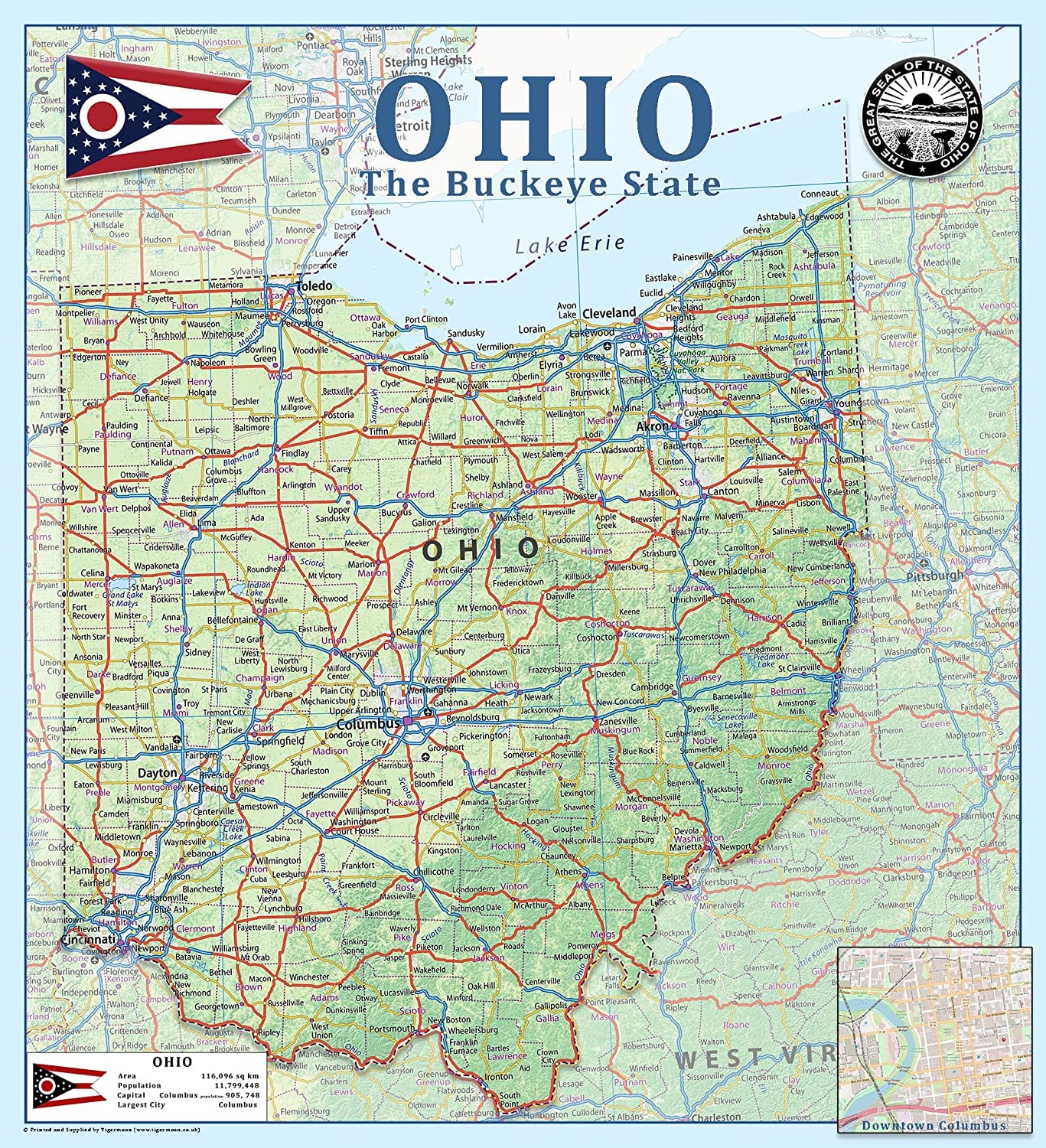
Ohio sits at the crossroads of major interstates — I-70, I-71, I-75, I-76, I-80, and I-90 all cross through the state — which is exactly why so many carriers are based here or run freight through here every single day. That volume of traffic means Ohio commercial trucking insurance isn’t just a box to check for your MC authority; it’s the financial backbone that protects your equipment, your cargo, your drivers, and your company from being wiped out by a single bad accident. Below, we’ll walk through everything a new trucking company needs to know before buying a policy.
Why Ohio Commercial Trucking Insurance Matters From Day One
New trucking companies often underestimate how much risk they’re carrying the moment they pull out of the yard. A single collision involving a loaded semi can generate medical bills, property damage, and legal costs that reach into the millions. Without adequate Ohio commercial trucking insurance, a new company could lose its trucks, its authority, and everything it has invested before it ever turns a real profit.
Beyond protecting your business financially, Ohio commercial trucking insurance is also a legal requirement. The Federal Motor Carrier Safety Administration (FMCSA) sets minimum liability limits for interstate carriers, and Ohio has its own requirements for intrastate operators. If you plan to haul freight across state lines, or even just within Ohio, you’ll need proof of insurance before you can register your DOT number, secure your operating authority, or sign contracts with brokers and shippers. Lenders and leasing companies will also require proof of coverage before they’ll finance a truck or trailer, so this coverage often becomes part of your financing conversation long before your first load ever gets booked.
Who Needs Ohio Commercial Trucking Insurance?
If you’re operating any of the following in Ohio, you need a properly structured Ohio commercial trucking insurance policy:
- Owner-operators leasing onto a motor carrier
- Owner-operators running under their own authority
- New trucking companies with one to five trucks
- Growing fleets adding drivers and equipment
- Box truck and cargo van delivery operators
- Dump truck, flatbed, and specialized haulers
- Tow truck and roadside assistance companies
- Fuel and hazardous material haulers
New companies sometimes assume that because they’re small, they can get away with a bare-minimum auto policy. That’s a costly mistake. This coverage is a different category of insurance entirely, built around the specific risks of commercial hauling — cargo loss, downtime, trailer interchange, and the much higher liability limits that shippers and brokers now require before they’ll even consider working with you.
Minimum Coverage Requirements for Ohio Commercial Trucking Insurance
New trucking companies are often surprised by how many moving parts go into a single policy. Here’s what typically makes up a complete Ohio commercial trucking insurance package.
Commercial Auto Liability Insurance
This is the foundation of every trucking insurance policy written in Ohio. It covers bodily injury and property damage you cause to others in an at-fault accident. For interstate carriers hauling general freight, the FMCSA requires a minimum of $750,000 in liability coverage, though many shippers and brokers now require $1,000,000 before they’ll sign a contract. Carriers hauling hazardous materials or operating larger vehicles may need even higher limits.
Motor Carrier Insurance (MCS-90 Endorsement)
If you operate under your own authority, your Ohio commercial trucking insurance policy needs to include an MCS-90 endorsement. This federal filing guarantees that, in the event of an accident, injured third parties are compensated even if your policy’s limits fall short — with the carrier then responsible for reimbursing the insurer. New companies filing for their first MC number will need this in place before the FMCSA will activate their authority.
Cargo Insurance
Motor truck cargo coverage protects the freight you’re hauling if it’s damaged, stolen, or lost in an accident. Most brokers and shippers require a minimum of $100,000 in cargo coverage before they’ll book a load with a new carrier, and that number often needs to be higher for high-value freight like electronics, machinery, or specialty goods. Cargo coverage is one of the most important parts of any properly built trucking insurance package because it directly affects your ability to get loads in the first place.
Physical Damage Coverage
This portion of your Ohio commercial trucking insurance protects the truck and trailer themselves — comprehensive coverage for theft, fire, vandalism, and weather events, and collision coverage for accident-related damage. If you financed your truck, your lender will almost always require physical damage coverage as a condition of the loan.
General Liability Insurance
General liability protects your business from claims that happen off the road — for example, if someone is injured at your terminal or yard, or if your operations cause property damage unrelated to a vehicle accident. Many shippers and warehouses require proof of general liability before they’ll allow your drivers on-site to pick up or drop off freight.
Non-Trucking Liability (Bobtail Insurance)
If you lease onto a motor carrier, non-trucking liability covers you when you’re driving the truck for personal use or between dispatches, when the motor carrier’s policy isn’t in effect. This is a common add-on that new owner-operators overlook when comparing trucking insurance quotes in Ohio.
Trailer Interchange Coverage
If you regularly pick up and drop off trailers that belong to other carriers, trailer interchange coverage protects those trailers while they’re in your possession. This is especially relevant for intermodal and drayage operators new to the Ohio commercial trucking insurance market.
Workers’ Compensation
If you have employees driving for you — not just leased owner-operators — Ohio law generally requires workers’ compensation coverage through the Ohio Bureau of Workers’ Compensation (BWC). This is separate from your primary trucking policy but is just as important for new companies building out a driver roster.
What Determines the Cost of Ohio Commercial Trucking Insurance?
New trucking companies almost always ask the same question first: how much will Ohio commercial trucking insurance actually cost? The honest answer is that it depends on a number of factors, and no two policies look exactly alike. Here’s what insurers evaluate when pricing coverage for a new business in this state:
- Years in business — Brand-new authority is statistically riskier to insurers, so premiums tend to be higher in the first year or two before you build a track record.
- Driver experience and CDL history — Drivers with clean records and years of experience typically lower your Ohio commercial trucking insurance premium.
- Type of freight hauled — Hauling general dry van freight is priced differently than hauling fuel, hazardous materials, or oversized loads.
- Radius of operation — Local, regional, and long-haul operations all carry different risk profiles.
- Equipment age and value — Newer trucks with more safety technology can sometimes reduce physical damage premiums.
- Coverage limits selected — Higher liability and cargo limits increase your premium but also increase the loads you’re eligible to haul.
- Claims history — Even a new company’s owner-operators bring their own driving and claims history into the underwriting process.
- Location within Ohio — Urban areas like Cleveland, Columbus, and Cincinnati can have different loss patterns than rural counties, which insurers factor into pricing for new carriers.
Because so many variables affect pricing, the best way for a new company to get an accurate number is to work with an agency that shops multiple carriers rather than relying on a single insurer’s quote.
Ohio-Specific Considerations for New Trucking Companies
Ohio’s location in the Midwest, combined with its dense highway network, makes it one of the busiest freight corridors in the country. That has a few practical implications for anyone shopping for Ohio commercial trucking insurance for the first time.
First, traffic density around Cleveland, Akron, Columbus, and Cincinnati means a higher exposure to accidents in those metro corridors, which insurers weigh heavily. Second, Ohio winters bring snow, ice, and severe weather that increase the likelihood of physical damage claims between November and March, so new companies should make sure their policy includes strong comprehensive coverage rather than a bare-bones liability-only plan. Third, Ohio is a major pass-through state for interstate freight, meaning even intrastate carriers are often operating near or alongside heavy interstate truck traffic on I-70, I-71, I-75, I-76, I-80, and I-90 — all of which raises the practical risk profile insurers use to price coverage in this state.
New companies should also be aware that Ohio requires proof of financial responsibility to register vehicles and obtain intrastate operating authority through the Public Utilities Commission of Ohio (PUCO), in addition to any federal FMCSA requirements for interstate carriers. Getting this paperwork aligned with your Ohio commercial trucking insurance policy from the start avoids delays in getting your authority activated.
Documents and Filings New Trucking Companies Should Have Ready
Getting a policy bound is only part of the process. New trucking companies also need to keep a handful of documents and filings organized so nothing holds up their launch date or their first load.
- USDOT and MC numbers — Every interstate carrier needs an active USDOT number, and most also need MC operating authority before hauling regulated freight.
- BOC-3 process agent designation — This filing names a legal representative in every state you operate in and is required before your authority can go active.
- UCR (Unified Carrier Registration) — Carriers operating in interstate commerce must register annually and pay a fee based on fleet size.
- IFTA and IRP registration — Fuel tax reporting and apportioned plates are required for vehicles operating across state lines.
- Driver qualification files — CDL copies, medical certificates, and driving records should be kept on file for every driver, whether employed or leased.
- Certificate of Insurance (COI) — Brokers, shippers, and lenders will regularly request an up-to-date COI, so it’s worth having a system to generate one quickly.
Keeping these documents organized alongside your policy paperwork makes the entire onboarding process smoother, especially in the first few months when brokers and shippers are still getting to know your company.
Common Mistakes New Trucking Companies Make When Buying Insurance
After helping countless new companies get their first policy in place, a few mistakes come up again and again:
- Buying the cheapest policy available. The lowest premium often comes with the lowest coverage limits, which can disqualify you from hauling for many brokers and shippers. Cheap Ohio commercial trucking insurance today can mean lost revenue tomorrow.
- Not disclosing the full scope of operations. If you tell your insurer you’re hauling dry van freight locally but later start hauling hazardous materials regionally, your policy may not respond to a claim.
- Skipping non-trucking liability. Leased owner-operators who skip this coverage can find themselves personally exposed during downtime between dispatches.
- Underinsuring cargo. A single load of damaged freight can cost more than a year of premiums if cargo limits are too low.
- Waiting until the last minute. New authority applications, insurance filings, and underwriting all take time. Starting this process early prevents costly delays to your launch date.
- Not comparing multiple carriers. Every insurance company prices risk differently. Working with an independent agency that shops several carriers is the most reliable way to find competitive Ohio commercial trucking insurance.
How to Get Ohio Commercial Trucking Insurance: Step-by-Step
For a new company approaching this for the first time, here’s a simple path to follow.
Step 1: Gather Your Business Information
Have your business structure, EIN, MC/DOT numbers (or pending application details), and a list of drivers with CDL numbers and driving history ready. Insurers evaluating trucking insurance applications in Ohio will ask for this information up front.
Step 2: Define Your Equipment and Operations
List every truck and trailer you’ll be insuring, including VIN, year, make, model, and value. Be specific about what you’ll be hauling, how far you’ll travel, and whether you’re running under your own authority or leased to a carrier. Accurate details lead to accurate Ohio commercial trucking insurance quotes.
Step 3: Decide on Coverage Limits
Talk with your agent about the liability and cargo limits that make sense for the freight you plan to haul and the brokers you plan to work with. Many brokers won’t tender loads to carriers below certain thresholds, so your coverage limits directly affect your earning potential.
Step 4: Compare Quotes From Multiple Carriers
An independent agency that works with multiple insurance companies can shop your risk profile across several markets, rather than presenting a single take-it-or-leave-it quote. This is one of the most effective ways to find properly priced Ohio commercial trucking insurance for a new operation.
Step 5: Bind Coverage and File Required Paperwork
Once you select a policy, your agent should handle the necessary filings — including BOC-3 process agent designations and MCS-90 endorsements — so your policy lines up with your FMCSA and PUCO paperwork.
Step 6: Keep Your Certificate of Insurance Accessible
Brokers and shippers will regularly request a Certificate of Insurance (COI) before booking loads. Newer agencies offer instant COI access through online portals, which saves new companies from delays every time a broker asks for updated proof of Ohio commercial trucking insurance.
Frequently Asked Questions About Ohio Commercial Trucking Insurance
How much does this type of coverage cost for a new company in Ohio? Costs vary widely based on driver experience, equipment, freight type, and coverage limits, but new authority typically pays more in year one than an established carrier with a clean claims history. Getting multiple quotes is the best way to find a competitive rate.
Do I need commercial trucking coverage if I only drive locally in Ohio? Yes. Even intrastate, local-only operations need proof of financial responsibility and appropriate liability coverage to legally operate in Ohio.
Can I get Ohio commercial trucking insurance with no experience? Yes, though new operators may see higher premiums initially. Many agencies specialize in helping first-time owner-operators and new authority carriers find coverage even without years of experience.
What’s the difference between commercial trucking coverage and a personal auto policy? A personal auto policy generally excludes commercial use entirely. Ohio commercial trucking insurance is specifically underwritten for business use, higher liability exposure, cargo hauling, and the equipment values involved in trucking.
How fast can I get this coverage in place? Many policies can be bound within a day or two once your business information, equipment list, and driver details are submitted, though it’s smart to start the process a few weeks before your planned launch date to avoid delays.
Will my premium go down after my first year? Often, yes. Once you’ve built a claims history and demonstrated safe operations, many carriers offer more competitive renewal pricing than what a brand-new authority typically pays at start-up.
Do I need a separate policy for each truck if I’m building a small fleet? Not usually. Most agencies can add multiple trucks to a single fleet policy, which is typically more cost-effective and easier to manage than separate individual policies for each vehicle as you grow.
Why New Trucking Companies Choose Cleveland Commercial Truck Insurance
At Cleveland Commercial Truck Insurance, we work exclusively with trucking companies across Ohio, and we understand exactly what new operators need when they’re shopping for their first trucking policy in Ohio. We work with multiple carriers so we can shop your risk across the market instead of locking you into a single insurer’s pricing. Our team has deep industry expertise across box trucks, dump trucks, flatbeds, fuel haulers, garbage trucks, hotshot rigs, tow trucks, tractor-trailers, and cargo vans, so whatever you’re hauling, we can build a policy around it.
Whether you’re based in Cleveland, Akron, Columbus, Cincinnati, Toledo, or a smaller town along one of the state’s major freight corridors, our agents take the time to understand your operation before recommending coverage — not the other way around. New companies get the same attention and access to multiple carriers as established fleets, so you’re never treated like an afterthought just because you’re just getting started.
We also provide instant Certificate of Insurance access, so when a broker or shipper asks for proof of your coverage, you’re not left waiting on a phone call. Our team is available around the clock to support new companies through DOT activation, policy questions, and claims — because we know that starting a trucking business in Ohio comes with enough moving parts already.
Final Thoughts on Ohio Commercial Trucking Insurance for New Companies
Getting the right Ohio commercial trucking insurance in place is one of the most important steps a new trucking company will take. It protects your equipment, your cargo, your drivers, and your ability to win contracts with brokers and shippers who require proof of solid coverage before they’ll work with you. Rather than settling for the cheapest quote you can find, take the time to understand what coverage your operation actually needs, compare multiple carriers, and work with an agency that specializes in trucking rather than general auto insurance.
If you’re a new trucking company or first-time owner-operator in Cleveland or anywhere else in Ohio, our team is ready to help you build a policy that fits your operation from day one. Reach out to Cleveland Commercial Truck Insurance today for a personalized Ohio commercial trucking insurance quote and get your business protected before your first load hits the road.

Leave a Reply